What problem does this tool solve?
It creates one coordinated estimate for the separate materials beneath and within a paver patio or walkway, reducing shortages and avoiding the mistake of treating every layer as the same material.
FREE ONLINE TOOL • THREE MATERIAL ESTIMATE
This paver base calculator estimates the compacted gravel base, bedding sand, and paver quantity a patio or walkway needs. Enter your area and layer depths to get tons, cubic yards, and total material cost.
GUIDE Base layers and waste explained →PAVER AREA & LAYERS
Enter finished compacted layer depths. Your local base specification may vary with soil, climate, drainage, and intended load.
PAVER BASE CALCULATOR GUIDE
This free online paver base calculator estimates compacted gravel, bedding sand, paver quantity, perimeter, and material cost.
Method: separate compacted base, loose-order allowance, bedding layer, paver face area, and waste. Last reviewed July 29, 2026.
It creates one coordinated estimate for the separate materials beneath and within a paver patio or walkway, reducing shortages and avoiding the mistake of treating every layer as the same material.
Use gravel tonnage and volume for a bulk base order, sand tonnage for bedding material, paver count for pallet planning, and perimeter for estimating edge restraint.
Complex patterns, curves, unusual joints, heavy cutting, poor subgrade, deep excavation, or loose-versus-compacted material differences can change the order. Local engineering specifications take priority.
A gravel calculator estimates one aggregate layer. A paver quantity calculator counts pieces only. This paver gravel calculator connects base stone, bedding sand, paver count, edge perimeter, and prices.
Use the project specification for your soil, climate, drainage, and expected load. Do not guess for vehicle surfaces.
Use the manufacturer's stated pieces per square foot or calculate each paver size separately.
Increase the waste percentage to account for additional cutting and unusable offcuts.
Use the displayed base volume rather than tonnage and confirm whether the supplier rounds to half or full yards.
A durable paver surface is built in layers rather than as a single volume. The calculator treats the compacted aggregate base and bedding sand as separate materials with different depths and densities. It also divides the paved area by the face area of one paver to estimate the number of pieces, then applies the selected waste allowance for cuts and breakage. The perimeter result helps with early edge-restraint planning. This combined approach is more useful than a basic square-foot calculator because it creates a coordinated shopping list instead of returning only paver quantity or only gravel volume.
Measure the full outside dimensions of the finished patio, path, or landing. Curved areas can be divided into smaller shapes or approximated with a slightly larger rectangle so the waste allowance covers trimming. Enter the actual face length and width of one paver, not the pallet dimensions. If the design uses a modular kit with several sizes, the manufacturer's stated coverage per pallet is usually more reliable than treating every piece as identical. Patterns installed diagonally or around many obstacles create more offcuts and normally require a higher waste percentage than a simple running bond in a rectangular area.
The base depth should be the final compacted thickness required by the project specification. Loose aggregate occupies more volume before compaction, and suppliers may describe products differently, so confirm whether an order recommendation already accounts for compaction. Bedding sand is a thinner leveling course, not a substitute for the structural base. Too much bedding sand can allow movement, while an inadequate base can lead to settlement, rocking pavers, and poor drainage. Required depth depends on soil, climate, freeze-thaw exposure, expected traffic, and whether the surface supports pedestrians or vehicles. Follow local construction guidance for structural decisions.
Request the specified compactable base material by ton or cubic yard and bedding sand as a separate product. Do not assume that decorative gravel or pea gravel can replace an angular base aggregate. Compare the calculated paver count with pieces per pallet and ask how partial pallets are sold. Edge restraint, spikes, jointing sand, geotextile, drains, steps, and cuts around utilities are not included in the total, so add them to the purchasing list separately. Before ordering, verify elevations, finished slope, excavation depth, and access for delivery. Large driveways or sites with weak soil should be reviewed by a qualified installer.
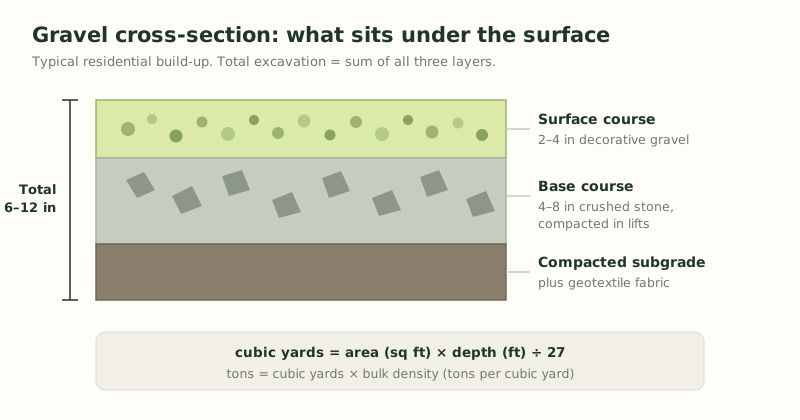
A paver surface normally needs a deliberate slope so water moves away from buildings and does not remain within the assembly. Measure area along the finished plane and maintain consistent layer thickness while establishing that slope. Edge restraints keep the field of pavers from spreading under traffic, so the perimeter result is a useful starting point for product length. Corners, steps, open edges, and borders may require additional pieces or different restraint types. Drain channels, utility covers, and tree openings reduce paver area but create extra cutting. For small openings, leaving them within the calculated area can provide a helpful waste margin.
Compare the calculated paver count with the manufacturer's square-foot coverage and pieces per pallet. Dye lots can vary, so purchase enough matching product for the complete surface plus future repairs when possible. Schedule base aggregate before bedding sand and pavers so each layer can be placed without contaminating the next. Verify that delivery equipment can reach a safe unloading area and that pallet weight is suitable for the surface below. Keep bedding sand dry until use. The calculator supports budgeting, but labor, excavation disposal, compaction equipment, saw rental, jointing sand, sealers, and drainage components should be estimated separately.
Keep the final area, compacted depths, paver model, pattern, waste allowance, and delivered quantities with the project documents. These notes help when replacing damaged pavers, extending the surface, or comparing the estimate with actual consumption. Record unopened pallets and leftover base separately, since unused material may reflect supplier rounding rather than an error in the calculated project dimensions.